Willow Hears the Water
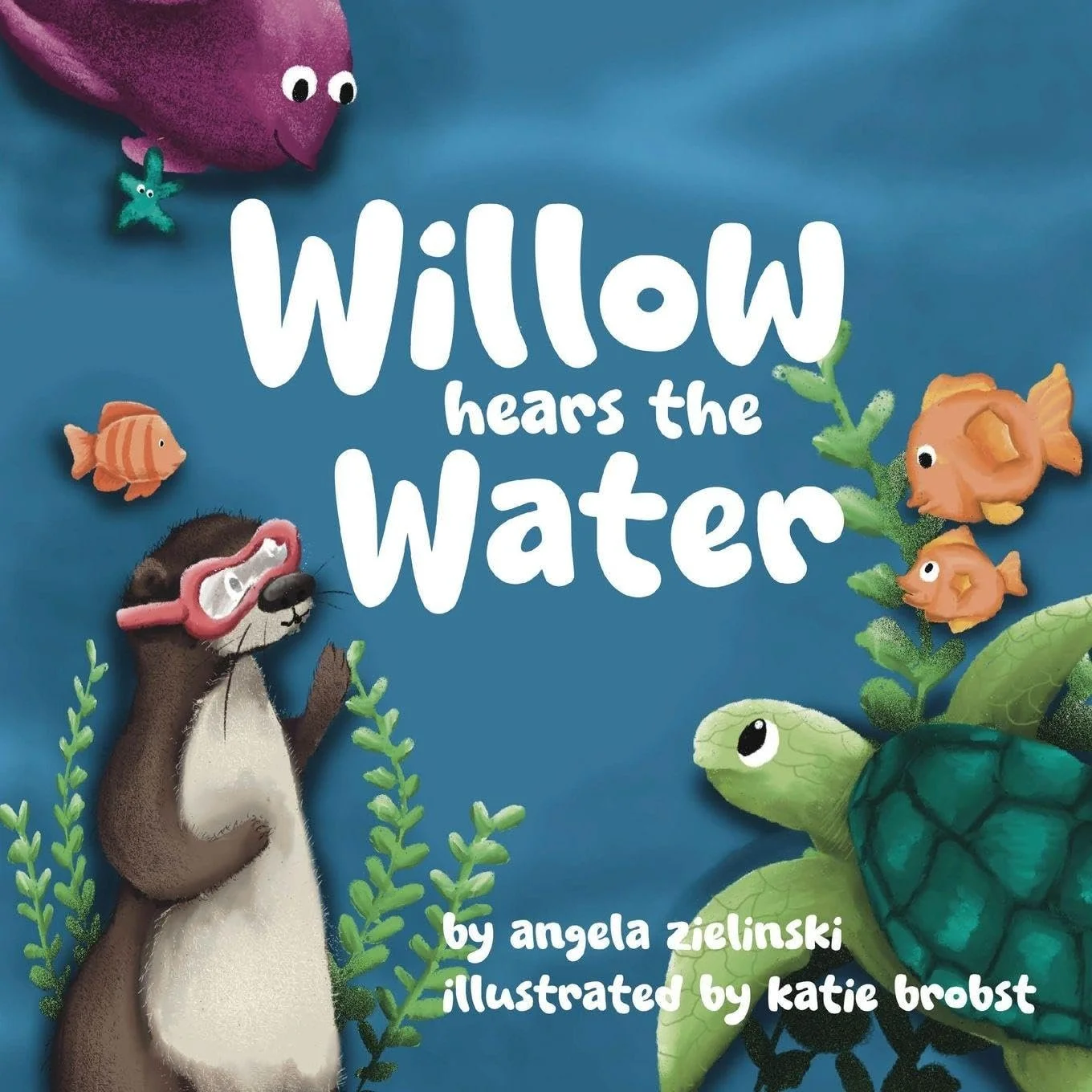
Helping Kids Tune Into Sound, Movement, and Flow: A Classroom Experience Inspired by Willow Hears the Water
Have you ever noticed how quickly kids move through the world?
They rush.
They react.
They skim the surface of things.
And yet… some of the most meaningful learning happens when we slow down long enough to listen.
That’s exactly what Willow Hears the Water invites children to do.
Book Snapshot
Title:Willow Hears the Water
Author: Angela Zielinski
Illustrator: Katie Brobst
Publisher: Rainbow Dragon Books
Age Range: PK–3
Genre: Mindful Picture Book
Themes: Water, Sound, Movement, Mindfulness, Nature, SEL
A Gentle Story About Listening in a Whole New Way
In Willow Hears the Water, a curious child discovers that water speaks in many ways—through rivers, oceans, rain, and gentle movement.
As Willow slows down to listen, she begins to notice something deeper:
Water carries energy.
Water carries calm.
Water carries connection.
This mindful story invites children to tune in with their senses, explore how water moves and changes, and develop a deeper appreciation for one of Earth’s most essential elements.
This isn’t just a story.
It’s an invitation.
Why This Book Matters (Especially Right Now)
If you’ve ever struggled with:
Helping students slow down and focus
Teaching mindfulness in a meaningful, age-appropriate way
Making science feel experiential, not abstract
Encouraging students to notice patterns and changes in nature
…you’re not alone.
And this is where Willow Hears the Water shines.
It helps students experience learning through sound, movement, and awareness.
What Students Learn (Without Even Realizing It)
Through this story and the activities that follow, students begin to:
Notice how water moves and changes
Strengthen listening and observation skills
Understand that sound can communicate without words
Practice mindfulness and calm awareness
Build respect for natural systems
This is where science, SEL, and sensory learning come together beautifully.
Bringing the Book to Life in Your Classroom
To support this experience, I created a companion Discussion & Project Guide that invites students to explore water the way Willow does—through listening, movement, and curiosity.
Inside, you’ll find:
Thoughtful discussion questions that explore sound, movement, and feeling
Water Is Musical – a hands-on lesson exploring pitch, pattern, and sound using water-filled jars
Water Sound Charades – a movement-based activity that helps students express and interpret water sounds
Shaping Land & Building Waterways – a tactile STEM activity exploring how land affects water movement
This isn’t about memorizing facts.
It’s about experiencing how the world works.
A Simple Way to Use This in Your Week
Here’s an easy rhythm you can follow:
Day 1: Read the story + discussion
Day 2: Water sound exploration (music + listening)
Day 3: Build and observe water movement
Day 4 (optional): Creative reflection or drawing
Simple. Engaging. Memorable.
Standards Alignment (Teacher-Friendly + SEO Gold)
This guide integrates literacy, science, movement, and SEL through hands-on learning and mindful observation.
Common Core State Standards (CCSS):
RL.K–3.1: Ask and answer questions about key details
RL.K–3.2: Identify theme and retell key ideas
RL.K–3.7: Use illustrations to interpret meaning
SL.K–3.1: Collaborative conversations
Next Generation Science Standards (NGSS):
Observing patterns in nature
Understanding water movement and systems
Exploring cause and effect in natural environments
Social-Emotional Learning (SEL):
Self-awareness
Mindfulness and emotional regulation
Connection to environment and surroundings
Grab the Free Discussion & Project Guide
If this feels like something your students need (and honestly, many of them do), you can download the full guide here:
Download the Willow Hears the Water Guide
Want to Add the Book to Your Collection?
Purchase Willow Hears the Water here:
A Final Thought
What I love most about this story is how it teaches children to notice what’s always in motion.
Not to rush past it.
Not to tune it out.
But to listen…
…and follow the flow.
Because when we do, learning becomes something we don’t just understand—
…it becomes something we feel.